By Brett Peters, Owner, Uniquely Galapagos CIA Ltda
From spectacular seabird colonies to rare endemic species, discover the best Galapagos cruise for your birdwatching ambitions — without compromising on comfort.
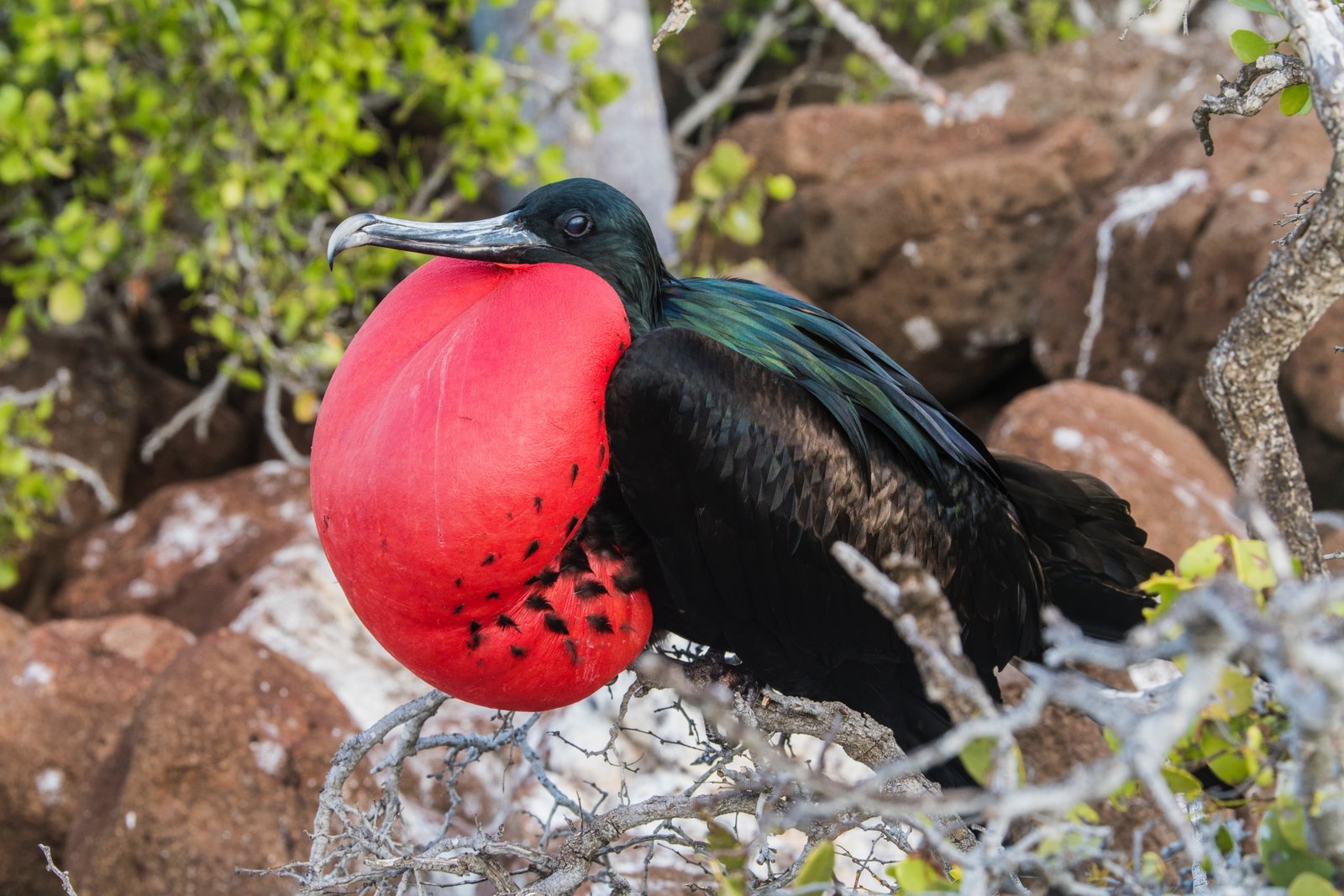
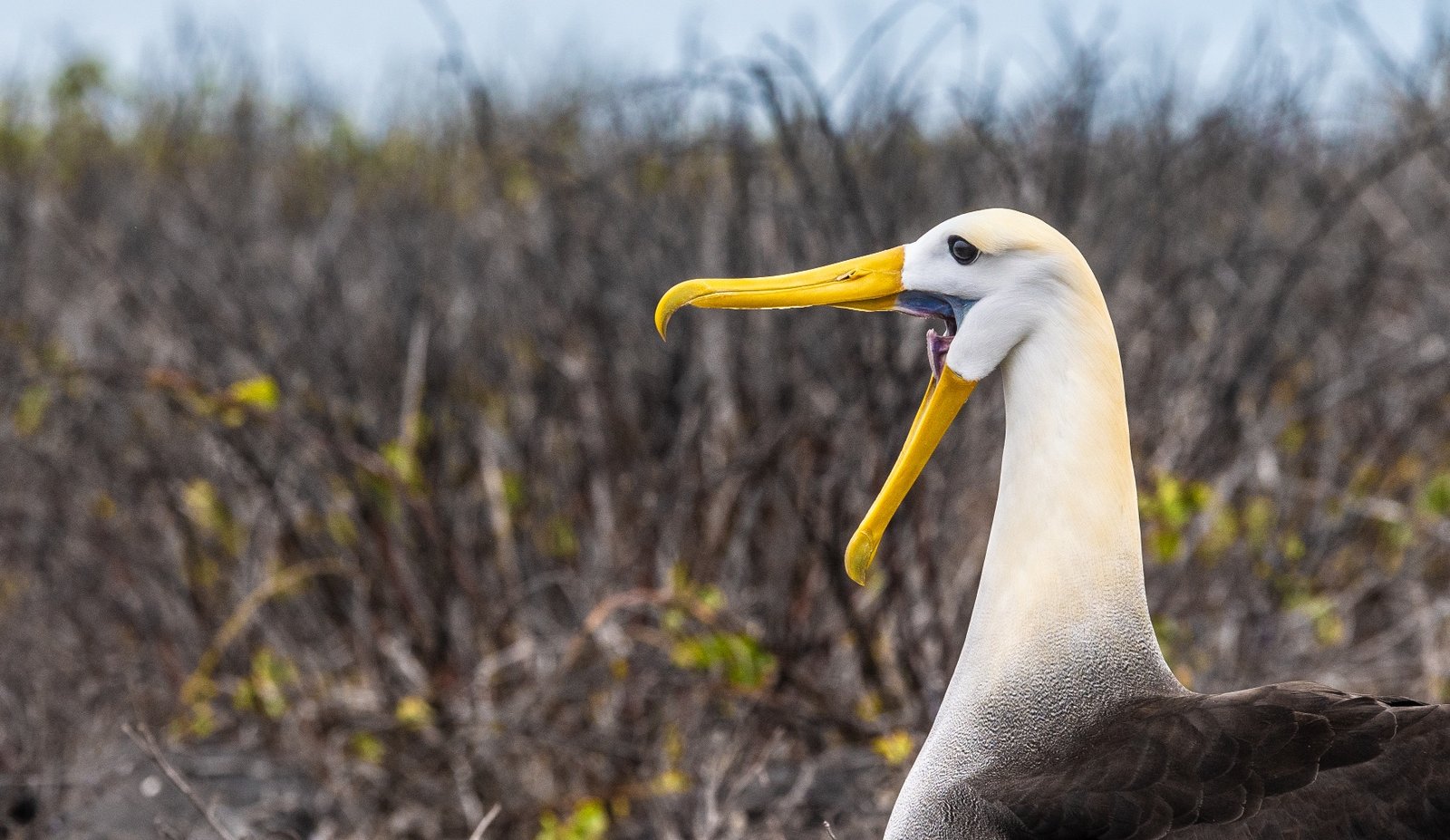
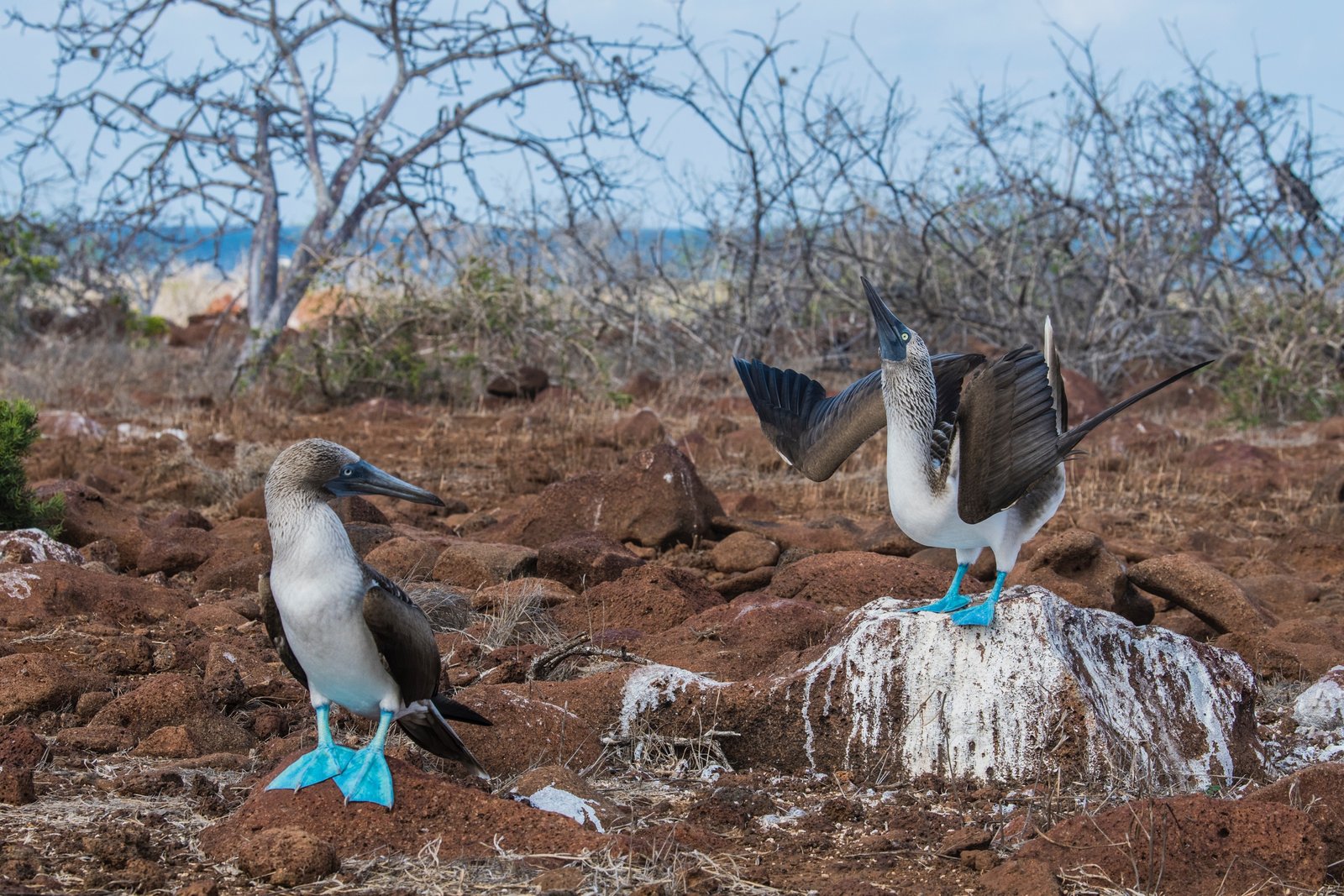
The Galapagos Islands offer extraordinary opportunities to observe wildlife in its natural habitat. Blue-footed boobies perform their courtship dances, frigatebirds soar overhead and waved albatrosses glide above the Pacific. For birdwatchers, few destinations offer such remarkable encounters.
However, not every cruise visits the same islands. Routes are regulated by the Galapagos National Park, making your choice of itinerary just as important as your choice of vessel.
Three routes, three birdwatching experiences
|
Route |
Birdwatching highlights |
Best for |
|
North & Central |
Red-footed boobies, frigatebirds and swallow-tailed gulls |
Abundant birdlife and photography |
|
South & East |
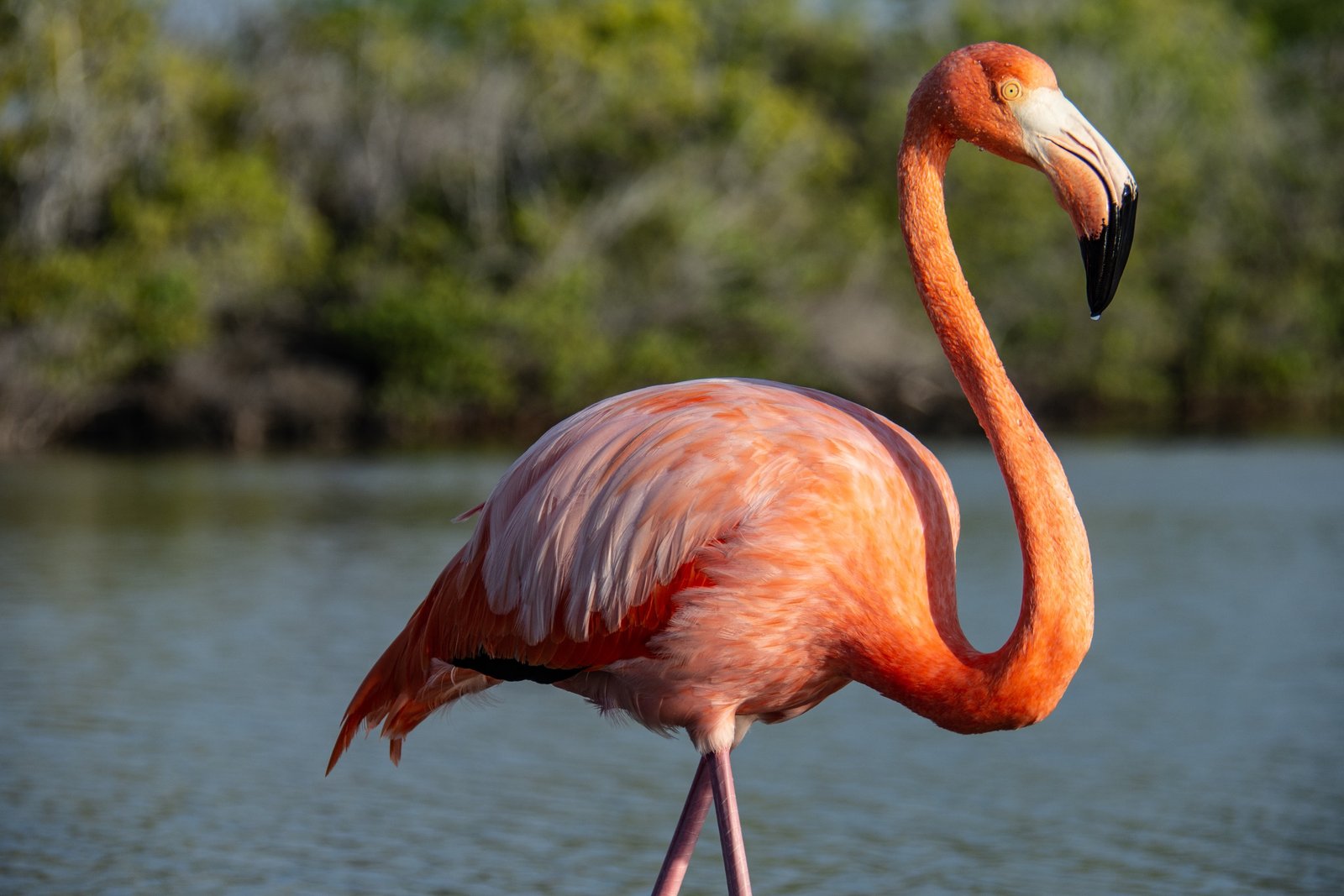
Waved albatrosses, Española mockingbirds and flamingos |
Albatross enthusiasts |
|
West |
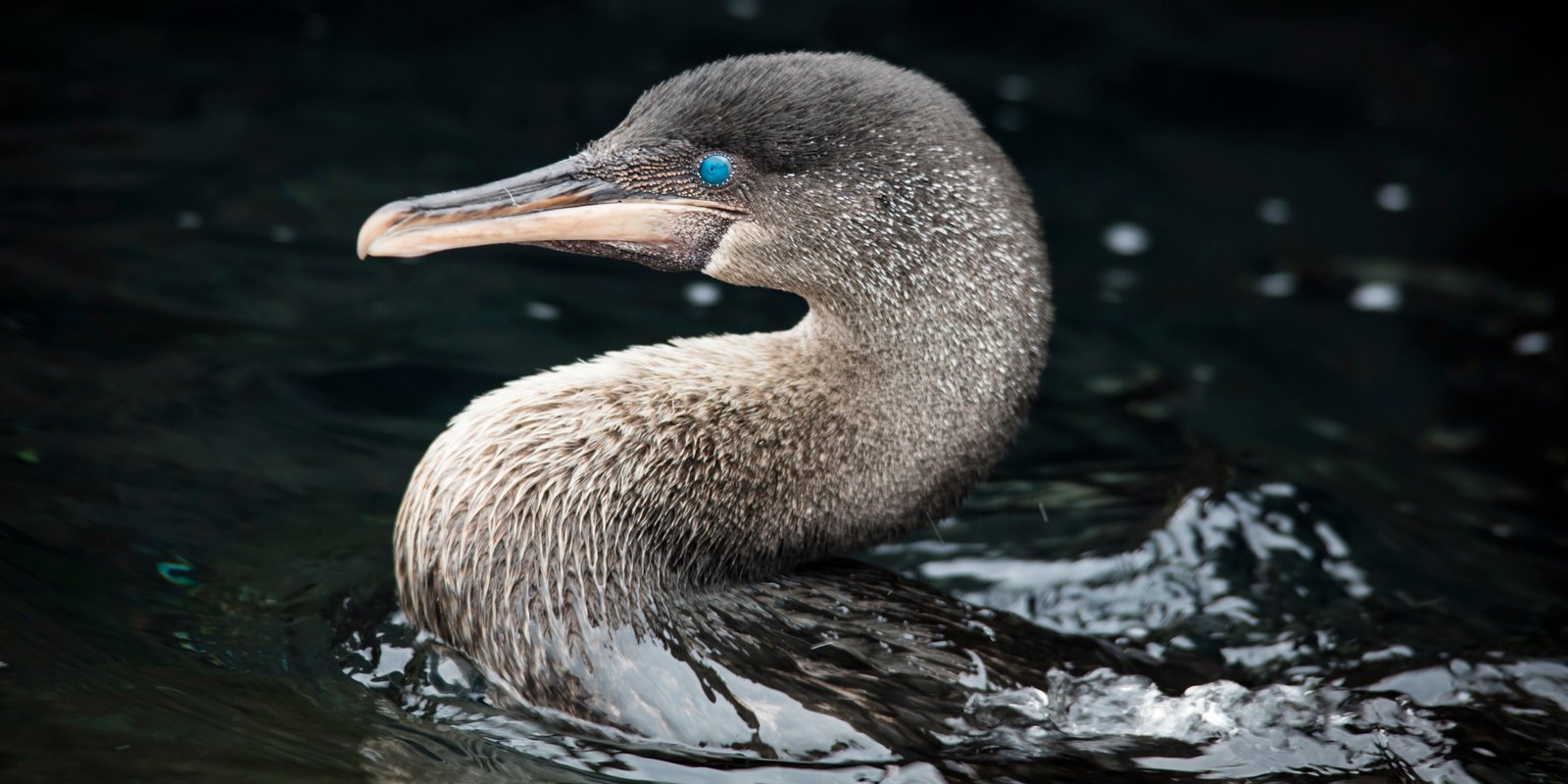
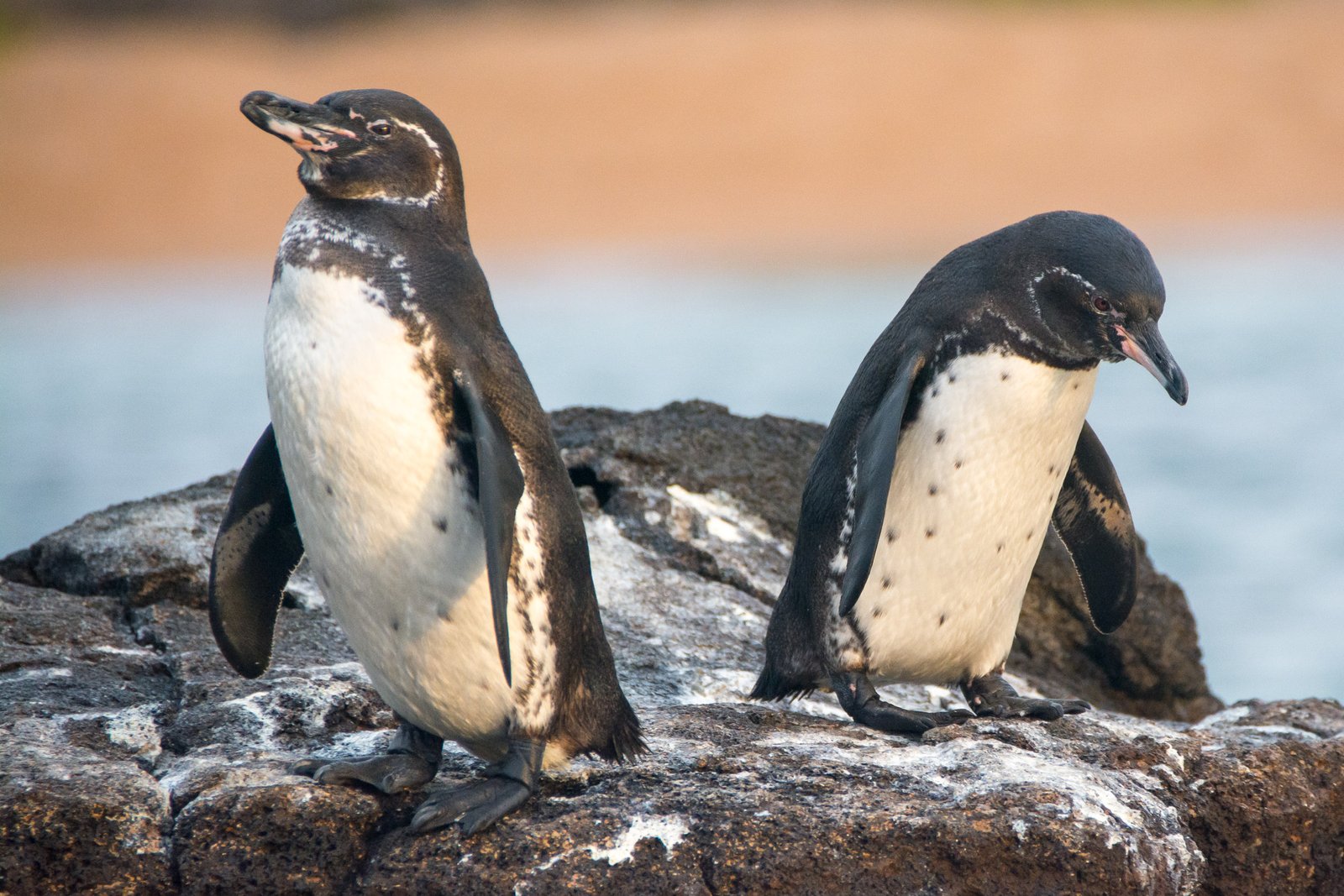
Flightless cormorants, Galapagos penguins and lava gulls |
Endemic species and adventure |
1. North & Central: a seabird spectacle
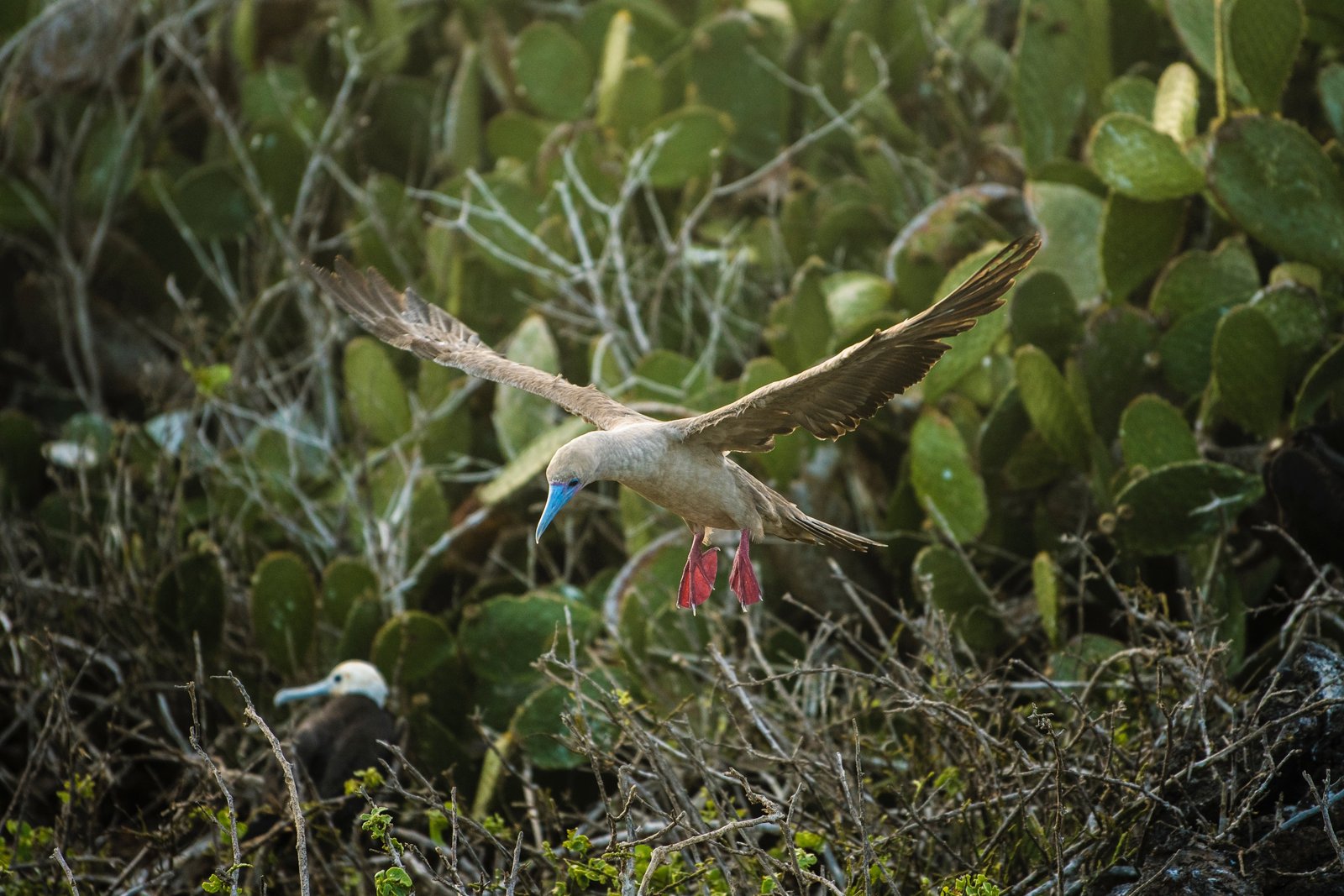
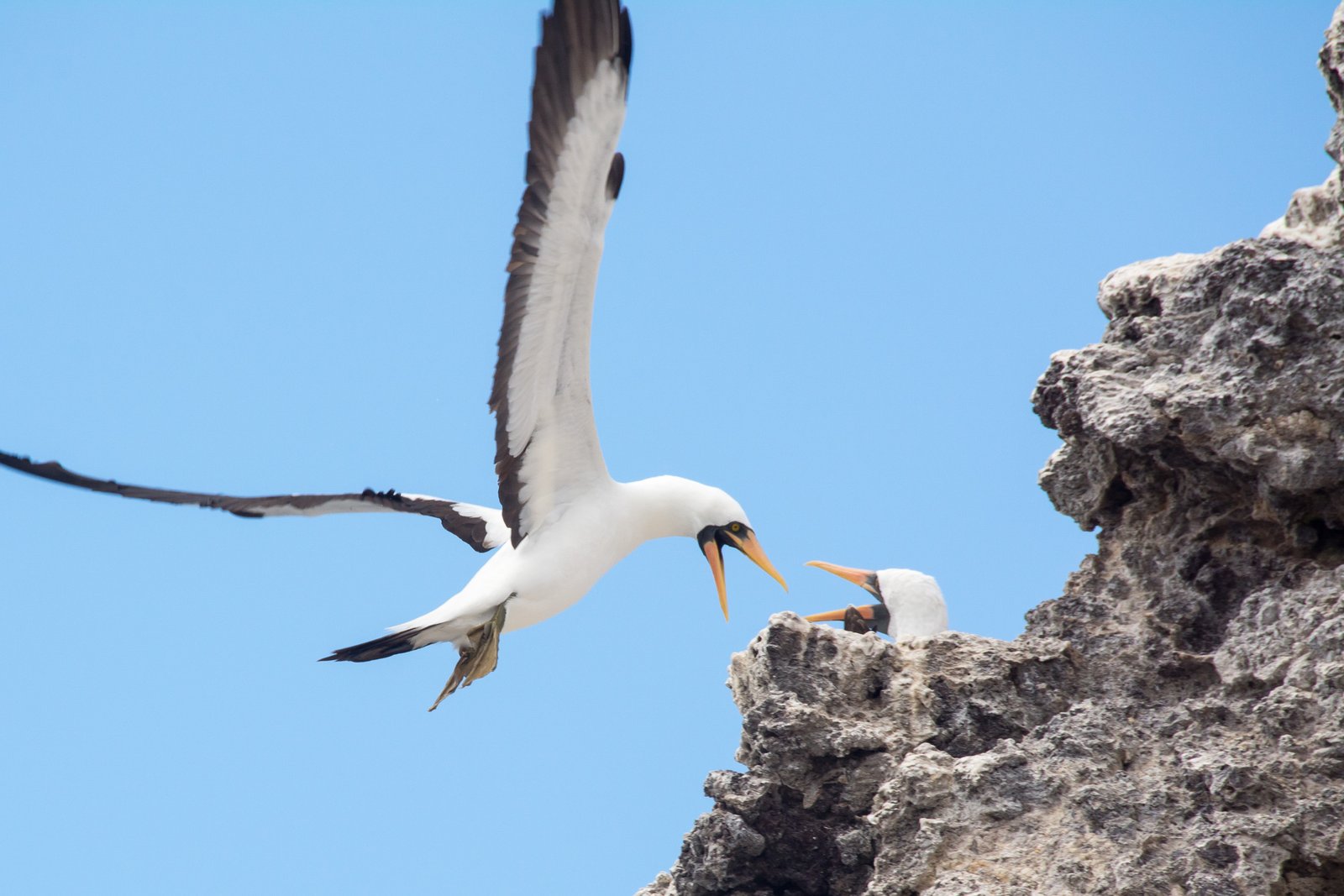
Genovesa, a remote volcanic island in the north, is a highlight for birdwatchers. Red-footed and Nazca boobies nest close to the trails, frigatebirds circle overhead and swallow-tailed gulls occupy the dramatic cliffs. You may also spot red-billed tropicbirds and short-eared owls.
Depending on the itinerary and time of year, North Seymour, Santiago and Santa Cruz offer further opportunities to observe blue-footed boobies, Darwin's finches and other iconic island species.
Best for: Travellers seeking abundant birdlife, exceptional photography and rewarding encounters in a shorter timeframe.
The trade-off: You will generally miss the waved albatross and the endemic flightless cormorant.
2. South & East: in search of the waved albatross
For many birdwatchers, seeing the waved albatross is a Galapagos highlight. Española is its principal breeding stronghold, where these magnificent seabirds can be observed displaying and gliding above the Pacific.
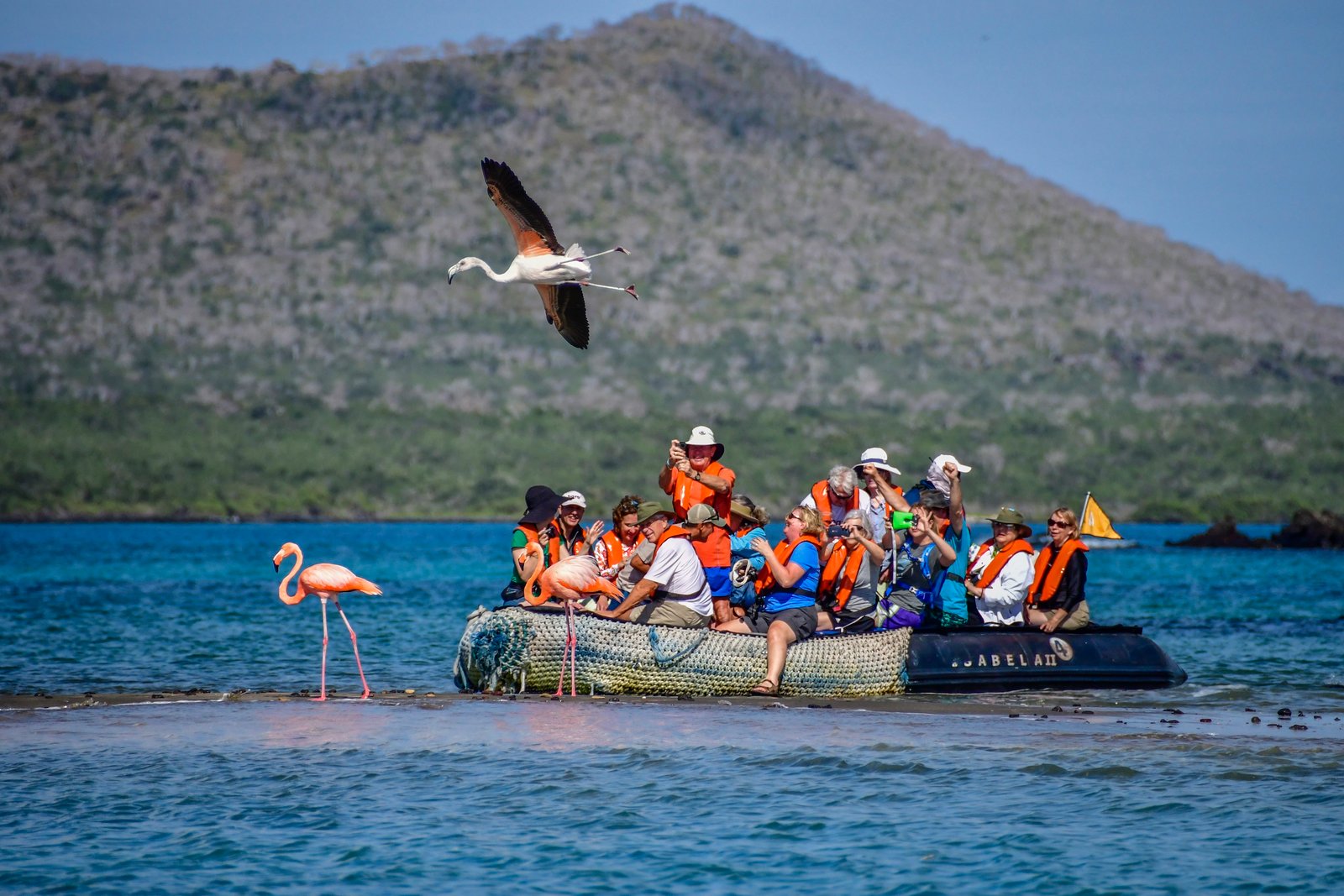
Punta Suarez also offers opportunities to see Nazca and Blue-footed boobies, red-billed tropicbirds and the endemic Española mockingbird. Depending on the route, Floreana's flamingo lagoon and San Cristóbal's seabird colonies add further variety.
Timing matters: Waved albatrosses generally occupy Española from around April to December. If this species is a priority, confirm that your cruise visits Española during the appropriate season.
Best for: Birdwatchers planning their journey around one of the world's most distinctive seabirds.
The trade-off: You will generally miss the endemic flightless cormorant, which is concentrated in the western islands.
3. West: a wilder adventure
Fernandina and western Isabela offer dramatic volcanic scenery and opportunities to seek out two highly prized Galapagos endemics: the flightless cormorant and Galapagos penguin.
The cormorant's reduced wings and remarkable swimming ability reflect its adaptation to life in the sea. The Galapagos penguin, meanwhile, is a unique sight in this tropical region, sustained by the cool, nutrient-rich waters of the archipelago.
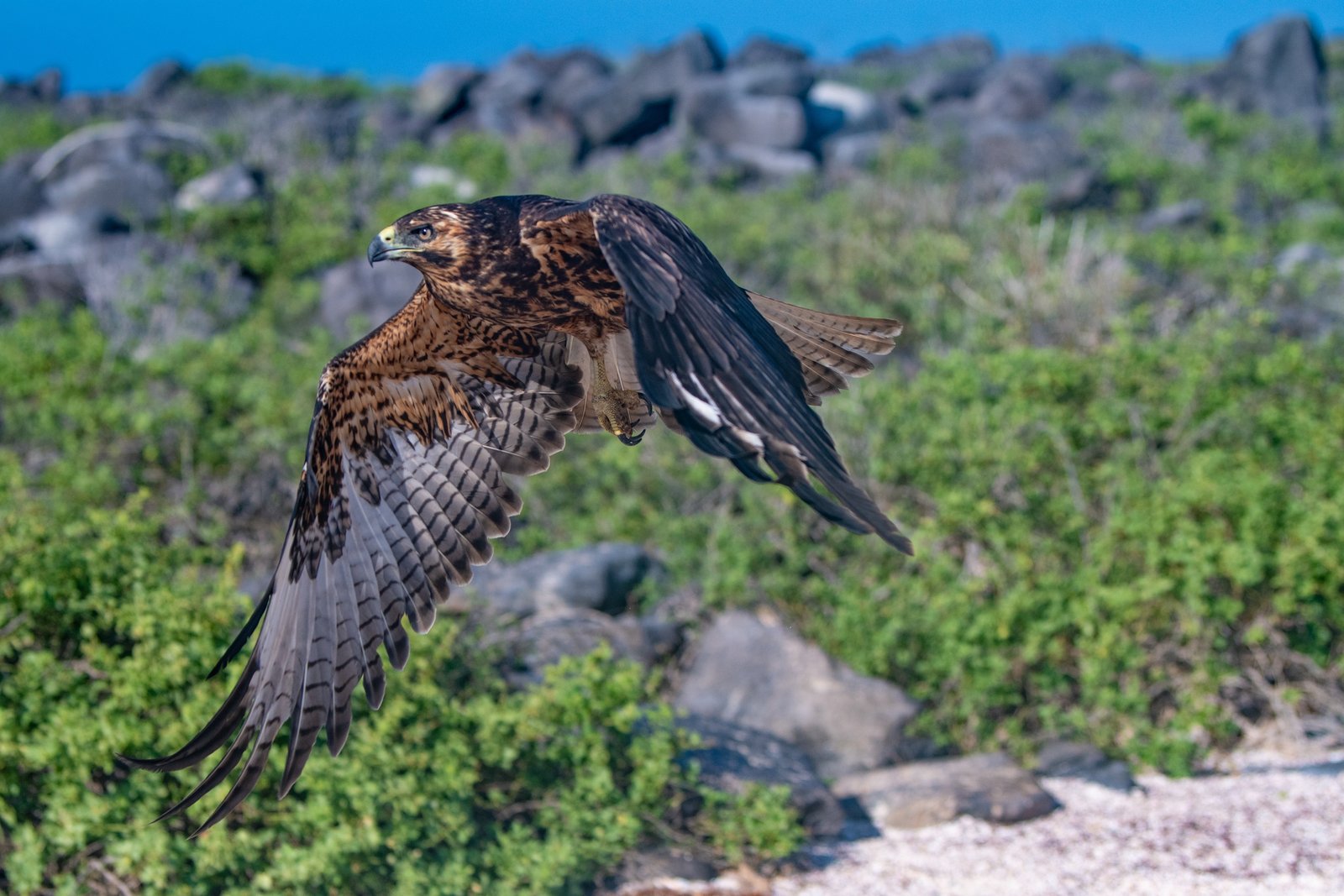
Lava gulls, Galapagos hawks and red-billed tropicbirds provide further highlights.
Best for: Adventurous travellers with a week or more who want to explore remote landscapes and focus on endemic wildlife.
The trade-off: Longer crossings can bring cooler temperatures and rougher seas, making vessel comfort particularly important.
Which cruise level should you choose?
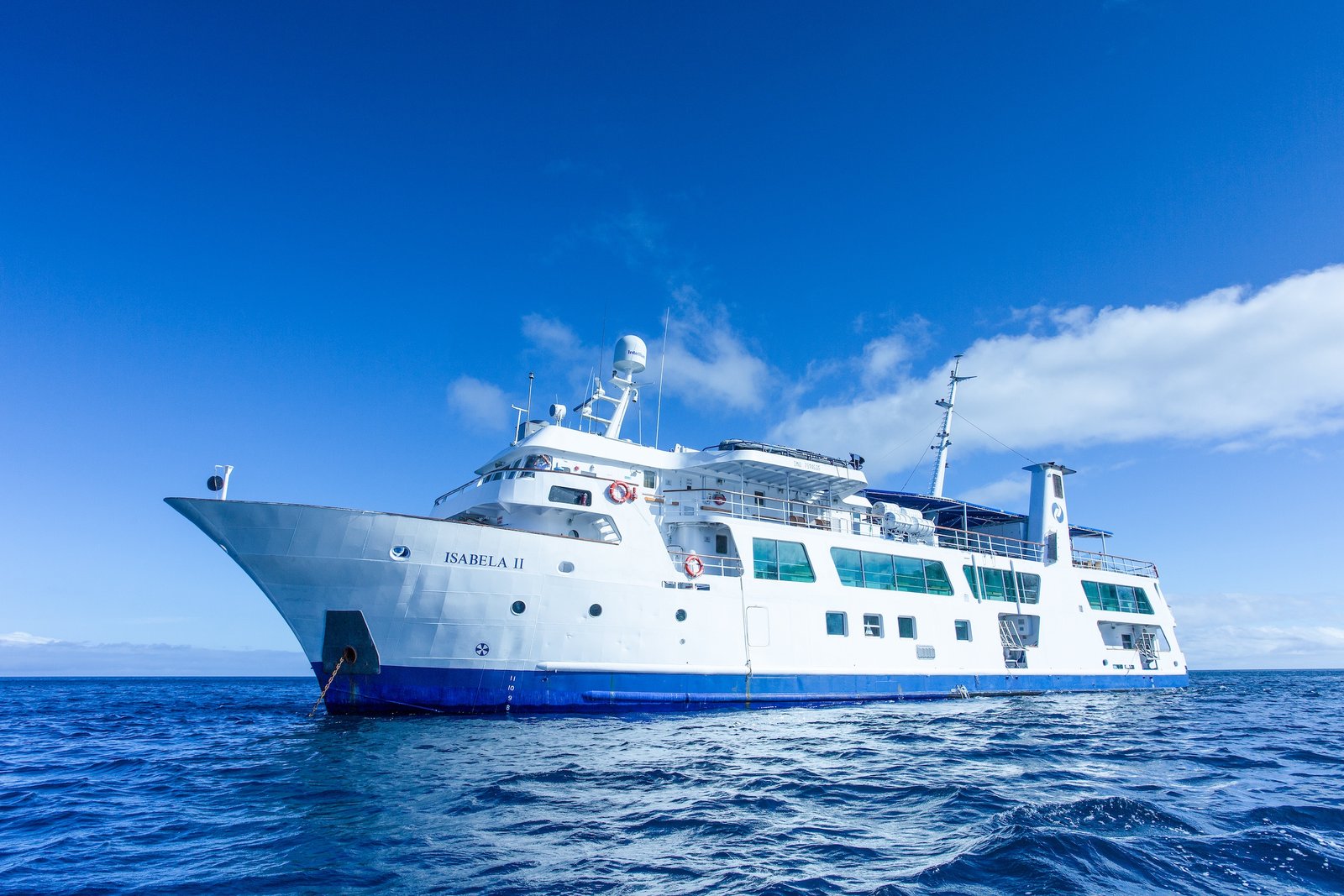
The best birdwatching experience is not necessarily the most expensive. It depends on your itinerary, naturalist guide, group arrangements and comfort at sea.
- First class / superior: Often an excellent balance of comfort, attentive service and value, with comfortable cabins and well-organised excursions.
- Luxury: Ideal for travellers seeking spacious accommodation, refined dining and personalised service, particularly on longer western itineraries.
For serious birdwatchers, an experienced naturalist or specialist birding guide may matter more than an upgraded cabin. Ask about guide expertise, group sizes, excursion arrangements and the vessel's stability before booking.
Five essentials before you book
- Your priority species: Check that the itinerary visits the relevant islands at the right time of year.
- Guide expertise: Ask whether specialist bird watching guidance is available.
- Group arrangements: Find out how many guests and naturalist guides are on board.
- Comfort at sea: Consider vessel stability, cabin standards and longer crossings.
- Photography needs: Check excursion arrangements and whether there is time for careful observation.
Pack 8×42 binoculars, a telephoto lens if you enjoy photography, suitable layers and sun protection. If you are prone to seasickness, plan ahead, especially for western routes.
Discover the Galapagos your way
A Galapagos cruise is more than a checklist of species. It is an opportunity to explore extraordinary volcanic landscapes, observe remarkable wildlife and experience a living laboratory of evolution.
At Uniquely Galapagos, we help adventurous travelers choose tailor-made land-based experiences and small-boat cruises that reflect their interests, preferred level of comfort and appetite for exploration.
Feel free to Contact Us and tell us which birds you most want to see and when you plan to travel. We'll help you find or create ‘an experience as unique as you’.
*Routes, regulations and breeding seasons can change. Wildlife sightings are never guaranteed; confirm current itineraries and seasonal details before booking.